Betta fish breeding is an exciting yet delicate process that requires patience, preparation, and careful care. Known for their vibrant colors and fascinating behaviors, Bettas are one of the most popular aquarium fish to breed. However, breeding them successfully involves understanding each stage, from choosing the right pair to raising the fry into healthy young fish.
The breeding process begins with selecting a strong male and female. The male should have bright colors, active movement, and a healthy body shape. He should also be capable of building a bubble nest, which is essential for protecting the eggs. The female should be full of eggs, with a round belly and a visible white egg spot. Her behavior should show interest in the male, especially when she displays vertical breeding stripes on her body. Choosing fish with desirable traits—such as Halfmoon, Plakat, Crowntail, or Fancy Koi—can increase the chances of producing high-quality offspring.
A proper breeding tank setup is crucial for success. A small tank of 10–20 liters works best, filled with shallow water about 10–15 cm deep. The temperature should be kept warm, around 27–28°C (80–82°F), because heat helps stimulate breeding activity. The tank should include floating materials like Styrofoam, a cup, or Indian almond leaves to help the male create a bubble nest. A gentle sponge filter, live plants, and hiding places for the female are also important.
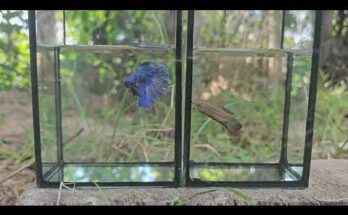
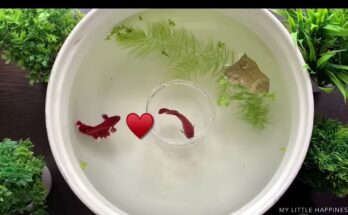
Before releasing the female, breeders usually place her in a clear container inside the breeding tank. This allows the pair to see each other without physical contact. During this phase, the male will begin to build his bubble nest—a cluster of bubbles at the water’s surface. This nest is where the eggs will be kept safe.
Once the female is released, the pair enters the courtship stage. The male displays his fins, flares, and guides the female toward the nest. If she accepts him, they begin the spawning embrace. In this embrace, the male wraps his body around the female, causing her to release eggs. The male fertilizes the eggs and carefully picks them up with his mouth, placing them into the bubble nest. This process repeats several times until the female has laid all her eggs. After spawning, the female must be removed to protect her from the male, who becomes highly territorial while guarding the nest.
The eggs usually hatch within 24–48 hours. The fry remain attached to the bubble nest for another two days while absorbing their yolk sacs. During this stage, the male continues to watch over them, picking up any fry that fall and returning them to the nest. Once the fry begin free-swimming, the male should also be removed to prevent him from eating them.
Raising fry requires careful attention. They must be fed small live foods such as infusoria, microworms, or baby brine shrimp. Clean water, stable temperature, and gentle water changes are essential to help them grow. Over the next few weeks, fry develop fins, colors, and behaviors typical of young Bettas.
With proper care, Bettas can grow into beautiful, healthy adults within two to three months. Breeding Betta fish can be challenging, but the reward of raising strong, colorful offspring makes the process truly worthwhile.